


I have always noticed how the doors between rooms can change the way a whole space feels once you live with them for a while.
When the wood has that fluted texture it gives the surface a bit of depth that makes even a simple layout feel more finished.
Some doors disappear into the wall while others quietly pull a room together and that choice shows up in daily movement more than you expect.
I tend to think about how the panels will look from the main seating area before I commit to anything.
Testing one in a hallway first usually tells me whether the scale will hold up once the furniture and light are in place.
Fluted Wood Doors For Entryways
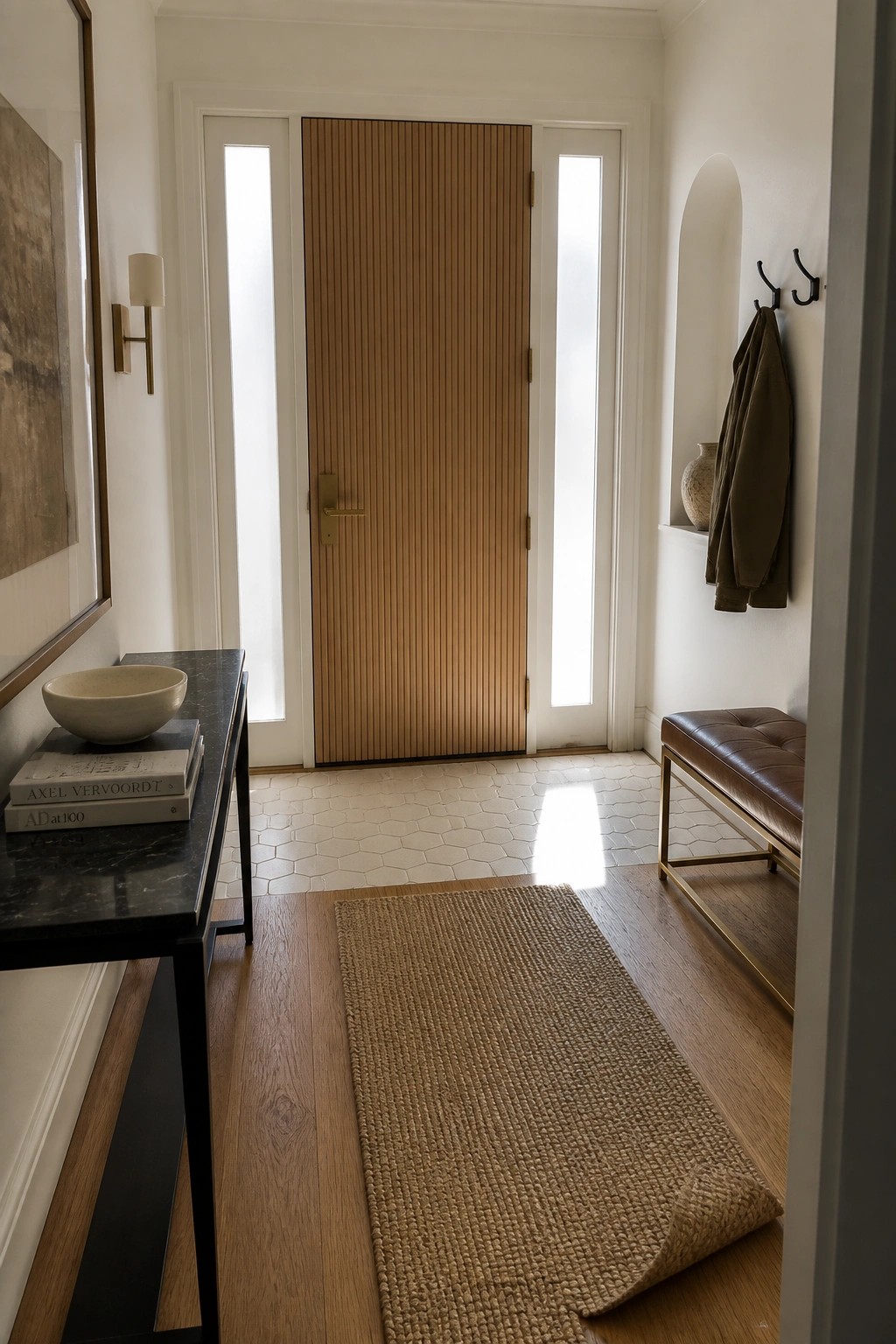
Fluted wood doors bring a bit of texture to an entry without making the space feel busy. The vertical lines catch light nicely and give the door a crafted look that still reads simple and calm.
They suit homes with wood floors and neutral tones, where the door can act as the main point of interest. Keep the trim and hardware minimal so the fluting stays the focus rather than competing with other details.
Sliding Doors With Fluted Wood Panels

Fluted wood panels on sliding doors add a clean architectural detail that still feels warm and livable. The vertical grooves break up the surface without adding extra trim or hardware, so the doors become part of the room rather than something that just gets pushed aside.
This works especially well in open living spaces where you want the option to separate rooms without losing the sense of connection. It suits homes that already use natural wood tones and simple materials, and it keeps the look from feeling too flat or modern in a cold way.
Fluted Panel Doors for Better Room Flow
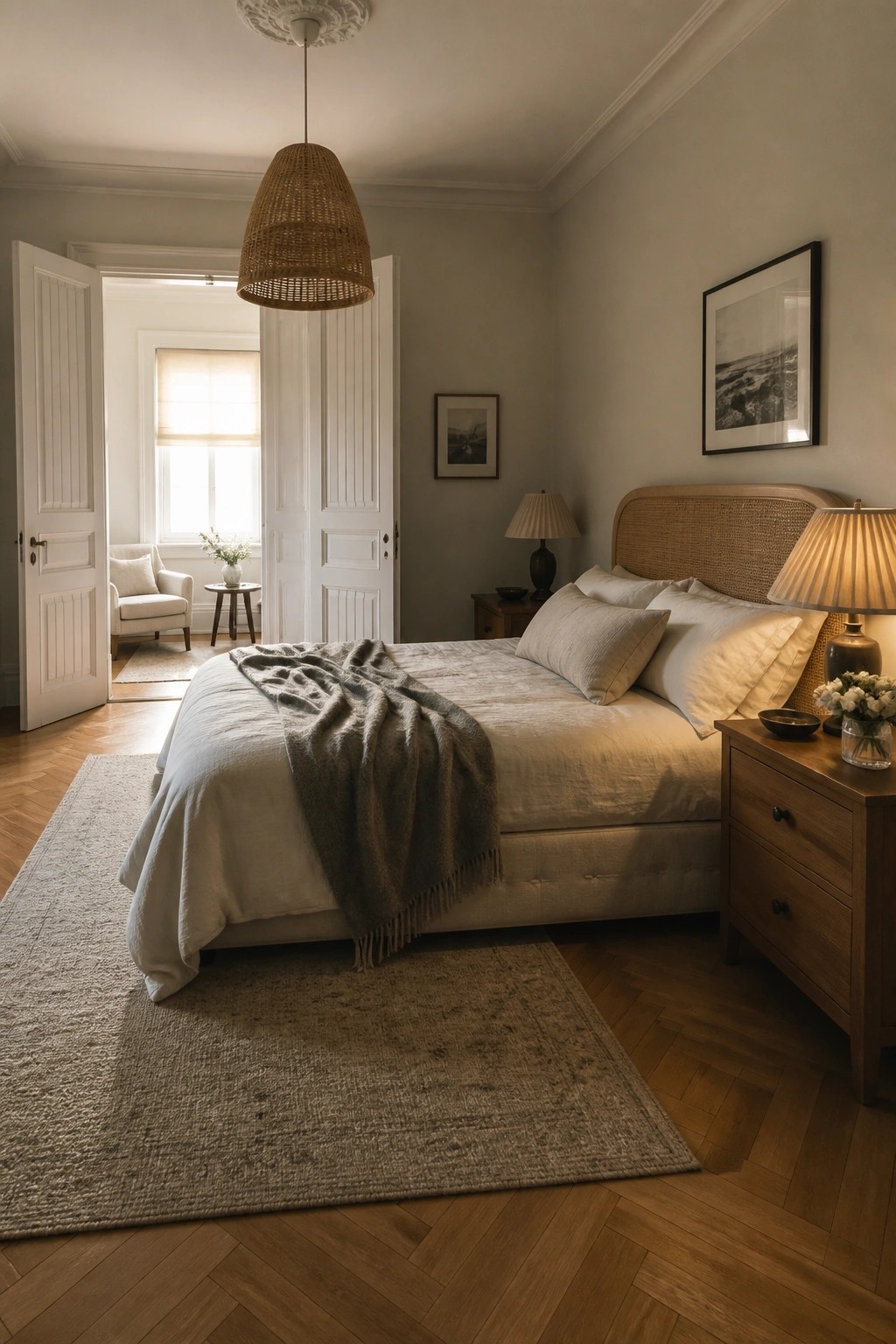
Fluted panel doors work well when you want to connect two rooms without losing a sense of separation. The vertical lines give the doors enough detail to feel intentional while still letting the bedroom stay calm and simple.
They suit homes with existing trim or a traditional lean. Paint them the same light color as the walls if you want the look to stay soft. They can feel too formal in very modern rooms where clean flat doors would fit better.
Fluted Doors for Dining Room Entries

Fluted wood doors work well when you want a bit of extra detail at the entrance to a main room without going overboard. The vertical lines on the panels give the doors a quiet texture that feels finished and considered, especially in a space like a dining room where people gather.
These doors suit homes that already lean toward darker tones or mixed materials. They pair best with simple walls and solid flooring so the paneling stays the main point of interest. Keep the rest of the trim minimal so the fluting does not compete with other details.
Fluted Wood Panels On Tall Cabinets

Tall cabinets finished with vertical fluted wood give storage a quiet texture that still feels calm and orderly. The lines catch light in a subtle way and keep the doors from looking flat or plain, which works well in kitchens where you already have other materials like stone or tile.
This approach suits homes that want built-in cabinetry to feel a little more custom without adding heavy trim or hardware. It works best when used on one or two prominent pieces rather than every door in the room, so the texture stays noticeable but not overwhelming.
Fluted Wood Doors Add Quiet Texture
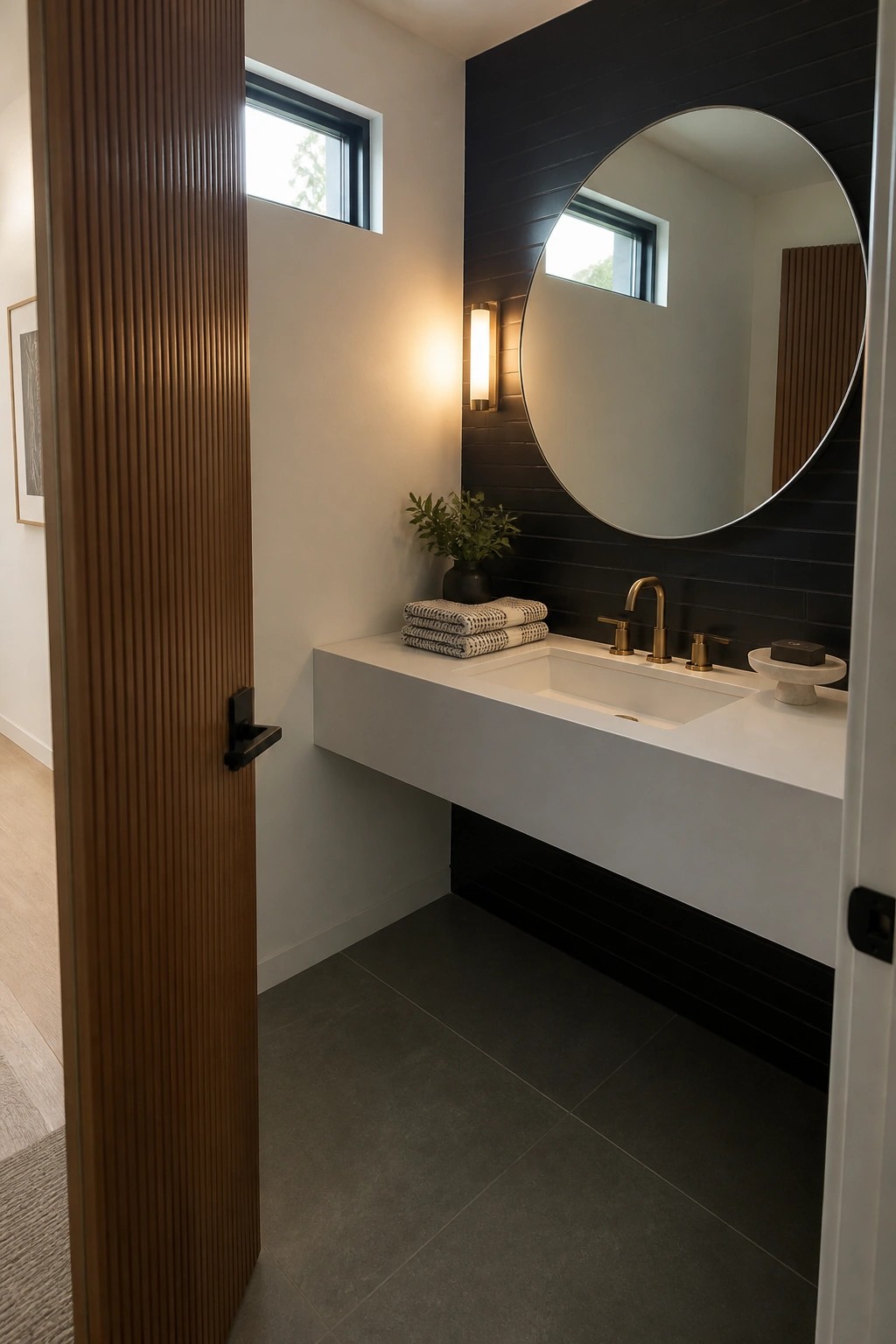
Fluted wood doors give a room a bit of texture that feels refined without trying too hard. The vertical lines catch the light just enough to make the door stand out against smoother walls and surfaces.
This approach works especially well in bathrooms where you want some warmth from natural wood but still need a clean overall look. Keep the rest of the space simple so the door can do its job without competing.
Fluted Wood Panels on Interior Doors
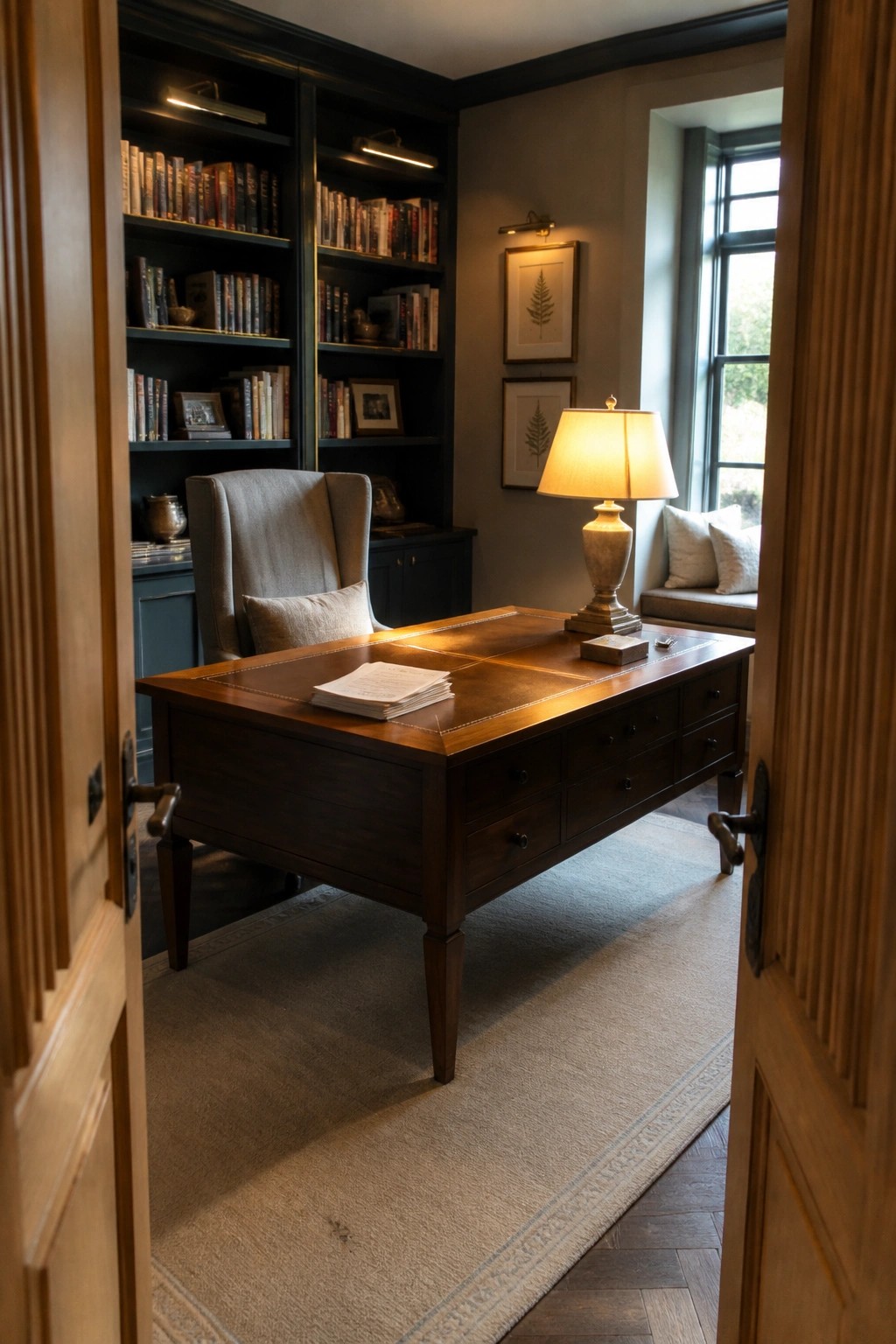
Fluted wood panels on doors give an entry a bit more presence without making a big show. The vertical lines add quiet texture and help the door feel like part of the room rather than just a flat surface you pass through. In spaces like a study or library, this detail helps the whole doorway feel more finished and considered.
These doors work especially well in homes that already use wood trim or built-ins, since the fluting echoes those lines. They suit both traditional and updated classic interiors, but they can feel too heavy in very modern or minimalist rooms. Keep the finish consistent with other wood elements so the detail reads as intentional rather than added on.
Fluted Doors In Soft Neutral Rooms

A fluted wood door can add a bit of quiet structure to a room that stays mostly soft and light. The vertical lines on the panels give the eye something to follow without making the space feel busy or heavy.
This kind of door works well in bedrooms or smaller rooms where you want a touch of detail but still need the overall feel to stay calm. It pairs best with simple paint colors and light furnishings so the texture on the door stands out just enough.
Fluted Wood Doors For Utility Spaces

Fluted wood doors give laundry rooms a finished look by turning appliance storage into something that matches the rest of the house. The vertical grooves add quiet detail that keeps the doors from feeling plain while still letting them sit back in the room.
This works best in homes where the laundry area stays visible from hallways or main rooms. Match the wood tone to nearby cabinetry and keep hardware simple so the doors read as built-in storage rather than a separate element.
Fluted Wood Doors In Custom Closets

Fluted wood doors fit well inside a closet because the vertical lines add texture while the rest of the room stays simple. The door stands out just enough against the painted cabinetry without breaking up the calm look of the built-ins.
This works best in larger dressing rooms where the door can sit between matching storage units. Keep the wood tone close to other finishes in the space so the whole closet feels pulled together rather than busy.
Fluted Panels on Interior Doors

Fluted wood panels give doors a quiet bit of texture that stands out in a hallway. The vertical lines add rhythm without making the space feel busy, and the effect works especially well when the doors sit against simpler walls.
This choice suits homes that already lean traditional or transitional. It reads best in deeper wood tones and pairs cleanly with simple lighting so the doors remain the main detail.
Fluted Panels On Mudroom Doors
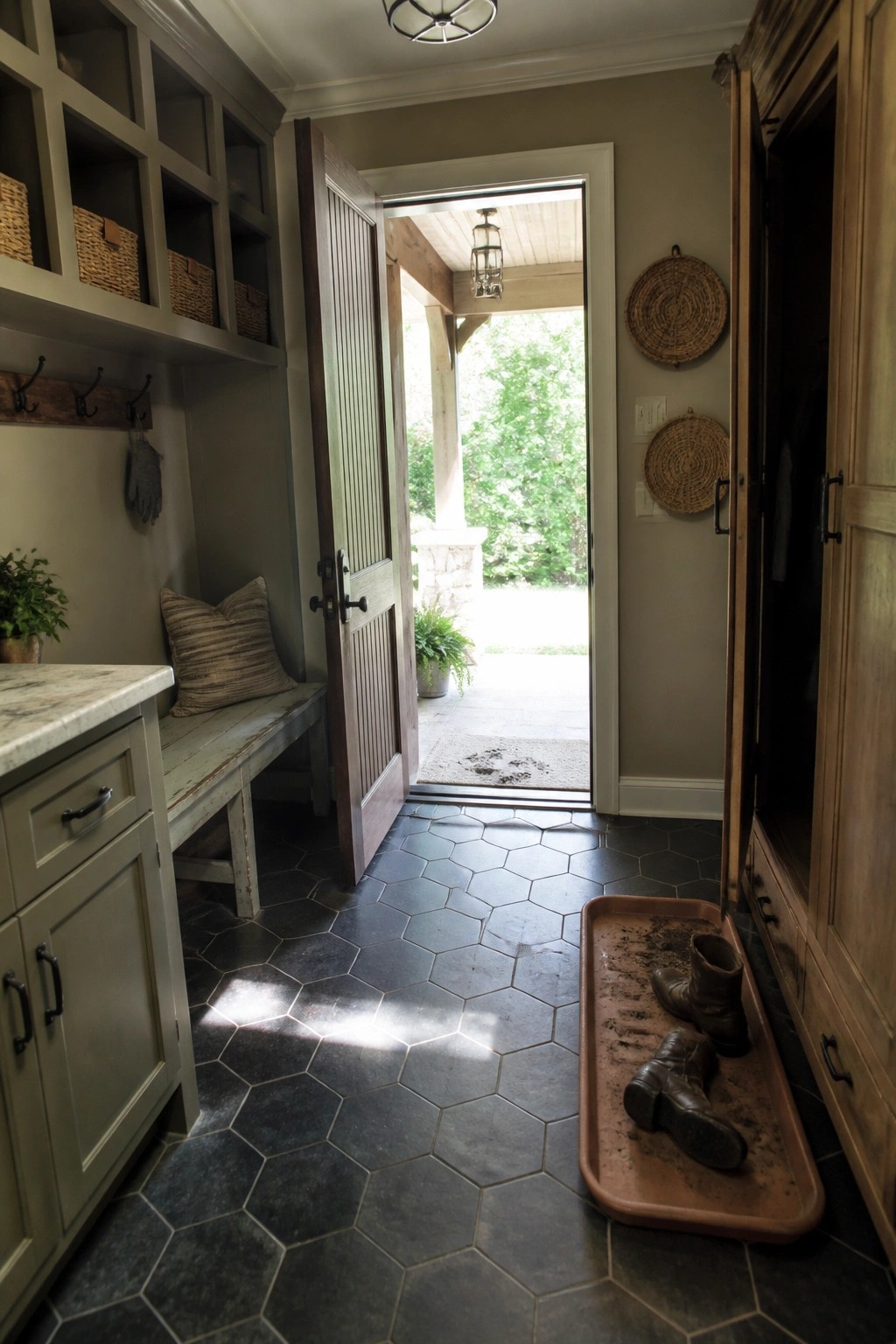
Fluted wood panels on a door add a quiet layer of texture that fits well in a working entry space. The vertical lines give the door presence without competing with the storage and seating that usually fill a mudroom.
This choice works best in homes that already use wood trim and painted cabinetry. Pair it with simple hardware and keep surrounding finishes calm so the door detail reads as intentional rather than busy.
Fluted Wood Doors Add Quiet Texture

Fluted wood doors give a room a bit of depth without adding much visual noise. The vertical lines catch light in a soft way and help plain walls and smooth surfaces feel less flat. In spaces with lots of tile and stone, this kind of door keeps things from looking too cold or stark.
They suit modern bathrooms and bedrooms where you want a natural material but still need the door to stay simple. Pair them with calm colors and minimal hardware so the texture stays in the background. Avoid using them in very busy rooms or next to other strong patterns.
Fluted Panels on Pantry Doors
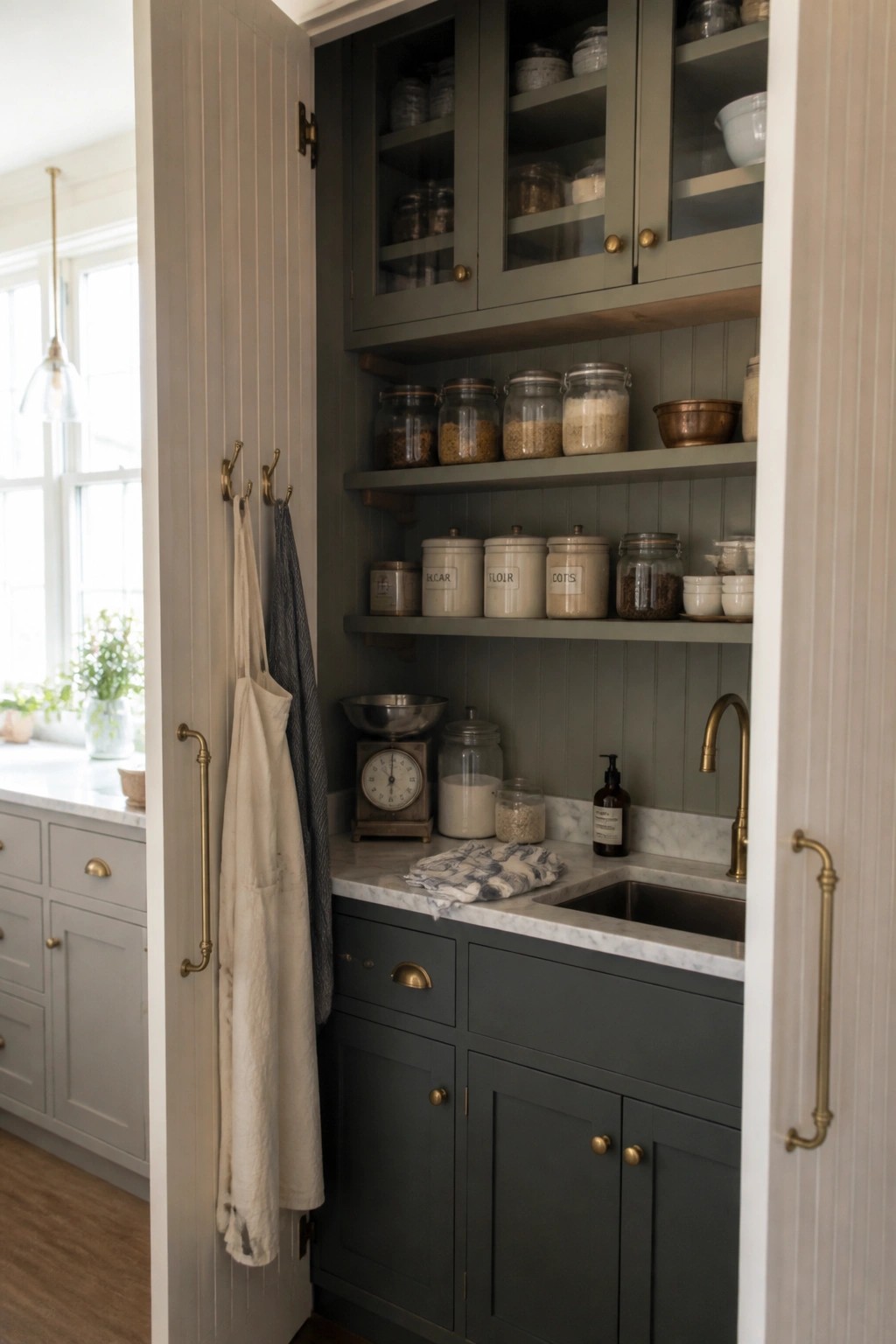
Fluted wood panels add a quiet layer of texture to tall doors that hold storage. In spaces like this pantry, the vertical grooves keep the door from feeling flat while still letting it sit comfortably next to simpler cabinet fronts.
The look works best in kitchens or butler’s pantries where you want storage to feel built in rather than added on. It suits homes that already use some trim detail elsewhere, and it pairs easily with plain hardware so the grooves stay the main point.
Fluted Panels On Interior Doors
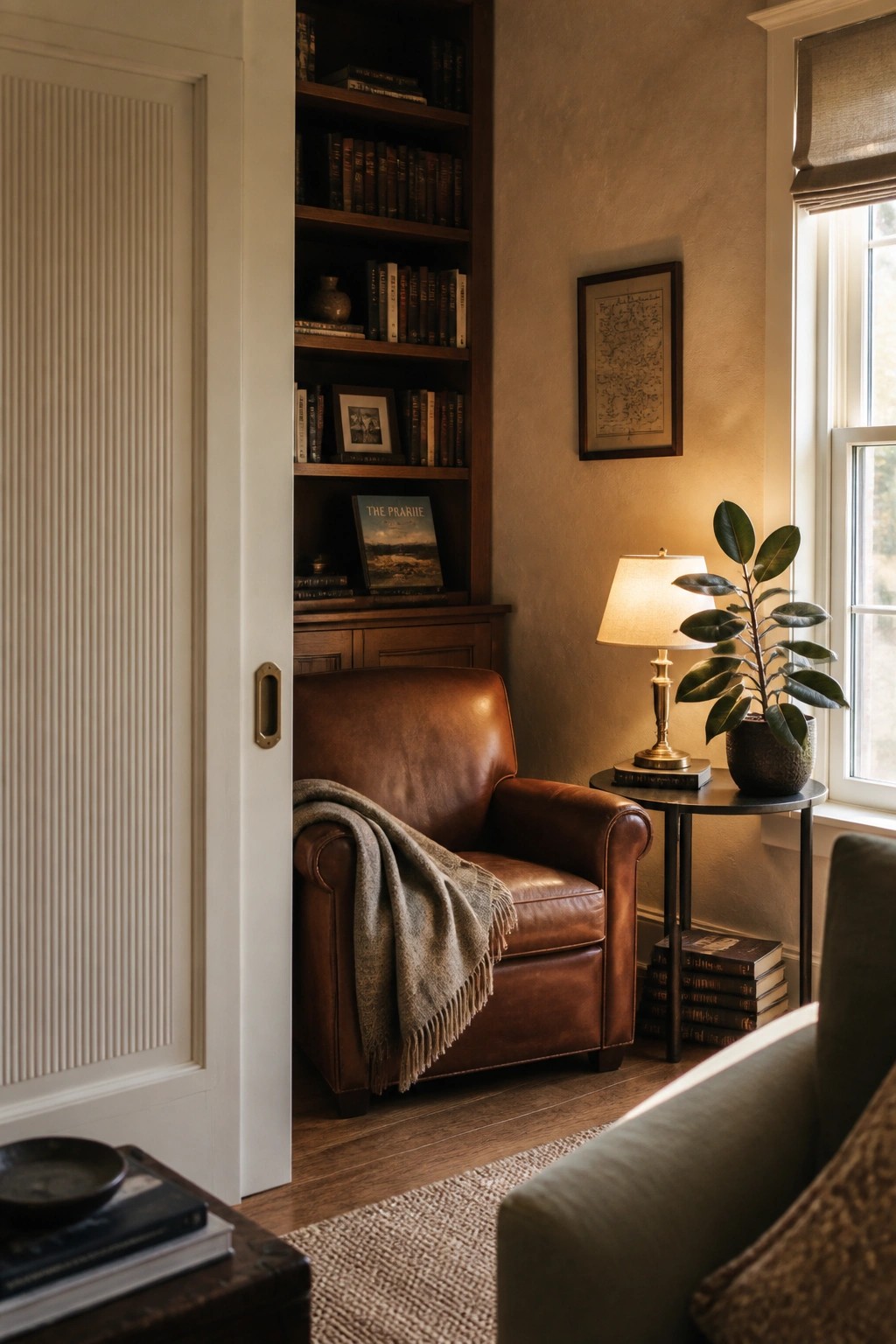
Fluted panels on doors add a quiet layer of texture that fits easily into rooms with wood built ins and layered seating. The vertical lines keep things simple while giving the door a bit more presence without extra hardware or color changes.
This detail works best in homes that already lean classic or collected. It pairs naturally with bookshelves and reading chairs, and it holds up well in smaller spaces where you want the door to feel intentional rather than plain.
Fluted Wood Panels On Sliding Doors

Fluted wood panels give sliding doors a quiet texture that feels more finished than plain wood or painted surfaces. In rooms where you want to hide media gear or extra storage, this detail turns a big door into something that adds warmth instead of just taking up wall space.
It works best in living areas that already use wood tones in the furniture or flooring. Keep the rest of the room simple so the fluted pattern stays noticeable but not busy, and make sure the track hardware is sturdy enough for the weight of the doors.
Fluted Wood Doors In Calm Rooms

Fluted wood panels on doors give a room a quiet sense of detail without adding clutter. The vertical lines catch light gently and bring a bit of texture to otherwise plain walls and simple furnishings. Many people like this look because it feels refined but still relaxed.
This approach works best in spaces meant for rest or slow mornings. Pair the doors with light walls and minimal furniture so the texture stands out on its own. Avoid overcrowding the area around them or the effect can get lost.
Frequently Asked Questions
Q: How often do I need to clean fluted wood panels on doors? A: Dust builds up fast in those grooves so a quick wipe with a dry microfiber cloth every week keeps them looking sharp. For deeper cleaning use a slightly damp cloth and dry right after. Skip any sprays with wax or oil since they can settle in the ridges and attract more dirt.
Q: Will these doors work if my house has a mix of modern and traditional rooms? A: Pick a simple wood tone that matches your existing floors and the fluted style blends in without clashing. Keep hardware minimal so the panels stay the main feature. Many people find the texture adds interest even next to sleek furniture.
Q: Are fluted panels worth the extra cost on interior doors? A: They give doors a custom feel that holds up for years without needing replacement. Focus on one or two key doors like the entry to the living room rather than every room at once. The look often makes the whole space feel more finished.
