


I’ve noticed that living rooms often fall flat when the walls feel too plain, like blank canvases that don’t pull the furniture or light together.
Panelling changes that by adding real depth and texture, making the space feel warmer and more put-together without overwhelming the flow.
In homes I’ve visited, the best ones use it to frame seating areas so conversations naturally center there.
The play of shadows on the panels catches your eye right away.
A few of these ideas have stuck with me enough that I’d tweak them for my next room refresh.
Navy Blue Panelling with Built-In Bookshelves
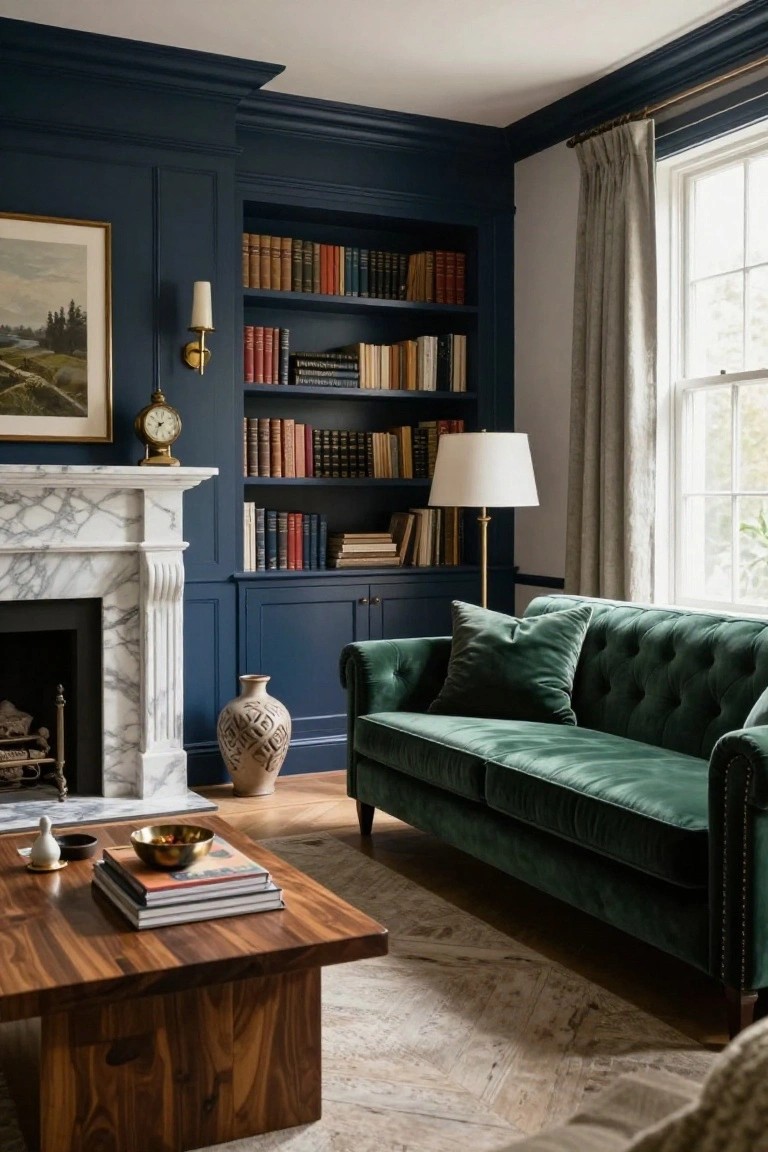
Deep navy panelling covers the walls here, wrapping around built-in bookshelves and cabinets. It pulls the room together nicely, giving that layered look without much fuss. The color sets off the marble fireplace and lets books and art stand out on the shelves.
This works best in rooms with some window light to keep it from feeling too closed in. Go for it in a study or sitting area where you want storage that blends right into the walls. Just balance it with lighter floors or a brighter sofa, like the green velvet one shown.
Wood Slat Wall Paneling with Recessed Shelves

Vertical wood slats running full height on one living room wall make a simple statement. Here they hold shelves for ceramics and books, plus hidden lighting that glows softly. The light grain keeps it from feeling too heavy, and it frames the fireplace nicely.
This works best in open spaces where you want texture without busyness. Use oak or ash tones in homes with big windows and neutral floors. Skip it if your room is small… it needs breathing room around it.
Shiplap Wall Panelling
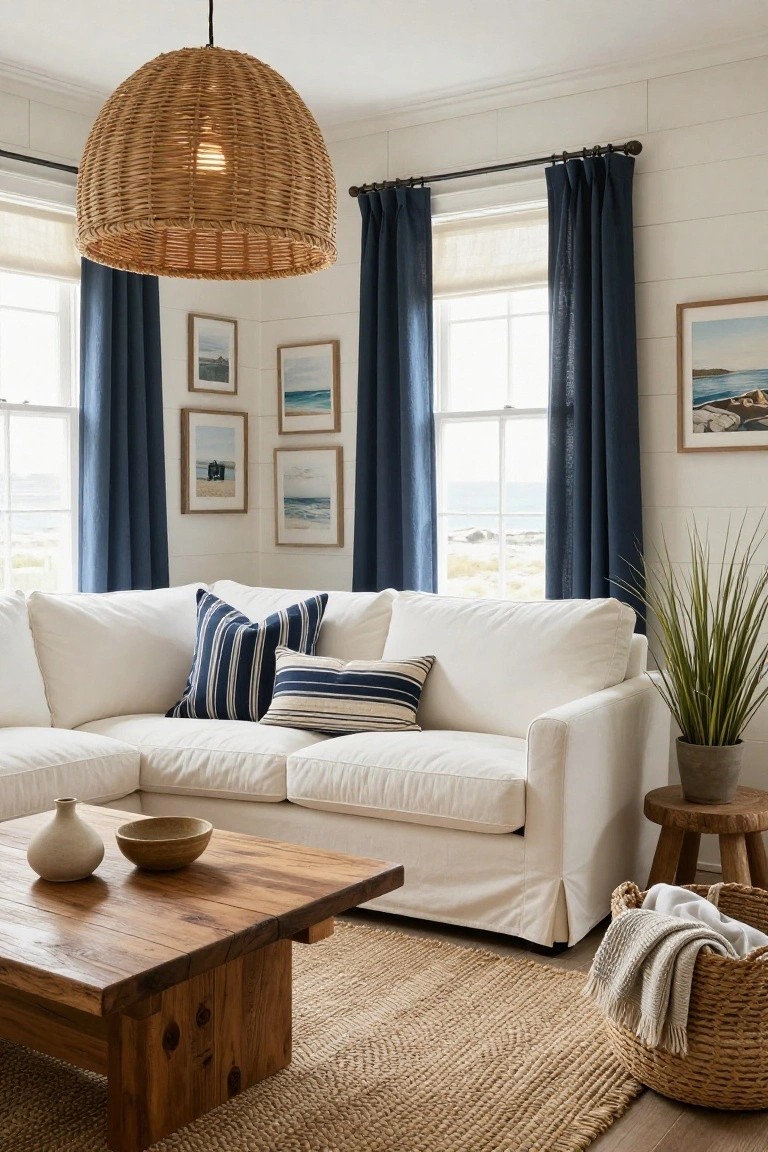
Shiplap panelling covers the walls here in a soft white finish. It adds just enough texture to keep plain walls from feeling boring. Those horizontal lines mimic beach planks and tie right into the ocean view outside.
This works best in casual coastal rooms or any space wanting a relaxed vibe. Paint it white or light gray to brighten things up. Slap it over existing drywall for an easy update. Skip it in super modern spots though. It leans more farmhouse than sleek.
Deep Black Wall Panelling
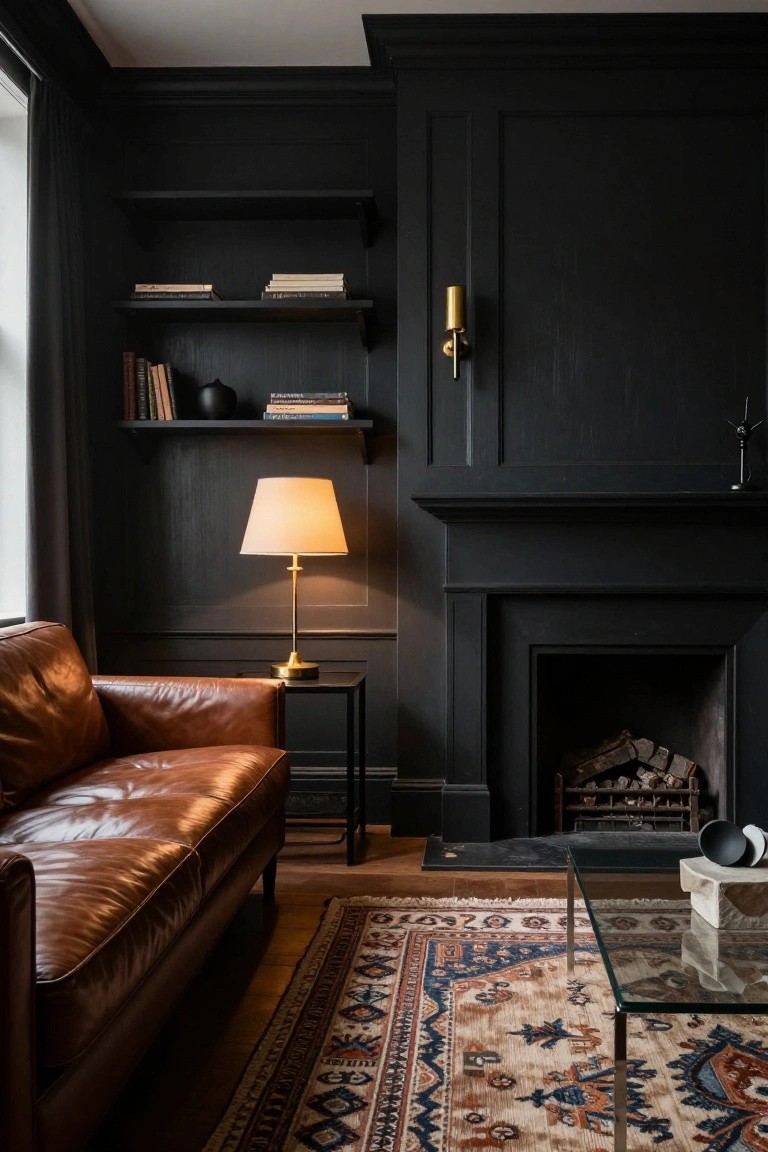
Dark wall panelling like this takes a living room and gives it real character. The black finish with its subtle wood grain and moulding around the fireplace pulls everything together. It adds that layered look without much fuss, and the glow from the fire really brings out the texture.
This works best in rooms with good natural light from one side, like here with the window. Go for it in older homes or spaces you want to feel snug. Just add warmer pieces, say a leather sofa or wood accents, so it doesn’t get too cave-like.
Wood Panels as a Soft Room Divider

Wood panels like these make a great way to split up an open living area without making it feel chopped up. The vertical slats in a light oak tone run from floor to ceiling, creating a natural screen between the sofa spot and a small desk nook. It keeps things airy while adding that bit of texture folks notice right away.
You can pull this off in apartments or homes with combined living and work spaces. Pair it with a simple gray couch and oak table, like here, and hang a few black-and-white photos on the panels for interest. Stick to pale woods if your walls are white. It suits modern setups best, but watch the scale, it needs room to breathe.
Vertical Wood Slat Paneling
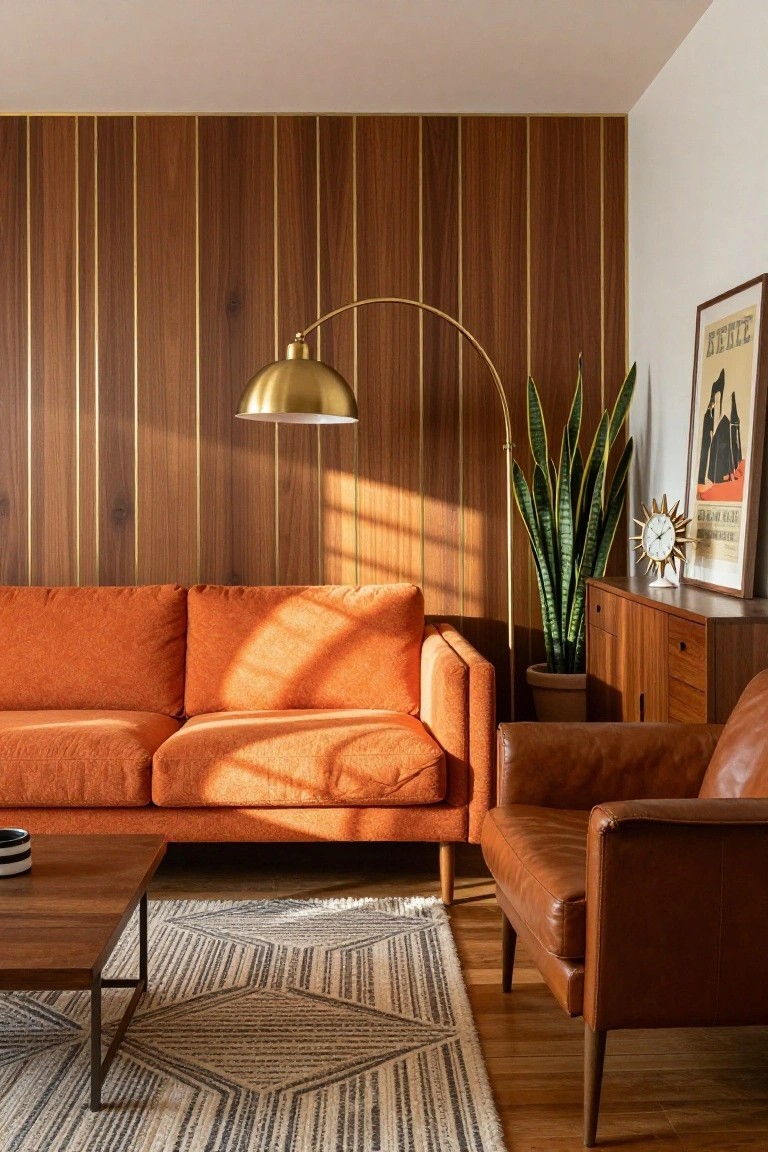
Vertical wood slats like these make a living room wall stand out without much fuss. The walnut finish gives off a warm glow, and those slim gold lines running between the boards pick up sunlight to add real depth. It turns a plain backdrop into something with quiet character that ties the whole seating area together.
Try this in spaces with good natural light, behind a sofa or along one accent wall. It suits midcentury looks or modern setups with bold pieces like an orange velvet couch nearby. Keep other walls simple so the paneling does the talking, and it works even in average-size rooms.
Grey Panelling Around the Fireplace
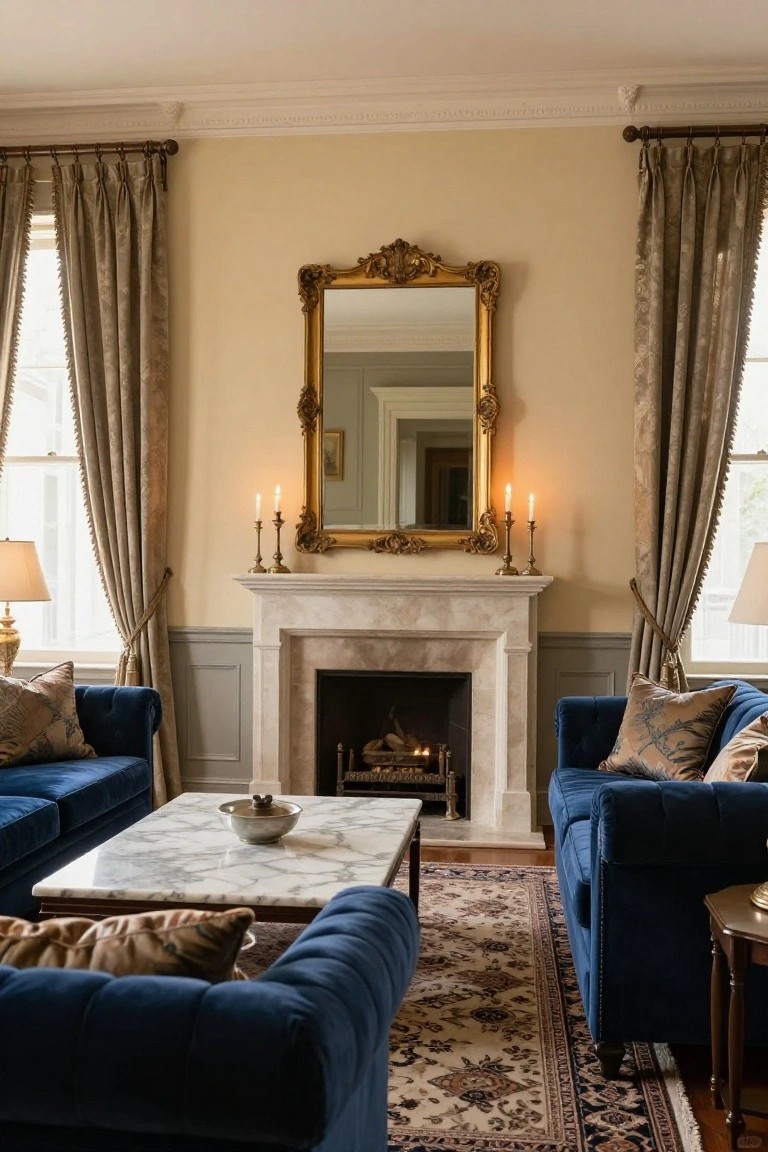
Grey panelling on the lower walls gives this living room a clean frame for the marble fireplace. It stands out against the soft cream paint above, creating subtle lines that make the whole space feel pulled together. You notice it most around the mantel, where it keeps things from looking too plain.
This works well in rooms with high ceilings and big windows. Paint the panelling a shade deeper than the walls, but not too dark. It suits traditional homes… pair it with neutral furniture so the walls stay the focus. Skip it in super modern spots, though.
Blue Panelling Frames a Cozy Corner

Wall panelling painted in a soft blue gives this living room a quiet structure. It runs floor to ceiling with clean lines that hug the built-in bench, making the corner feel pulled together. That blue shade reads calm during the day with sunlight coming in, but holds up fine at night too.
You can pull this off in any room that needs a little definition, like a narrow living space or reading nook. Keep the panels simple, no fancy carvings, and build the bench low to the floor. Light neutrals on the sofa keep it from closing in… works best in homes with good natural light.
Ornate Blush Wall Panelling
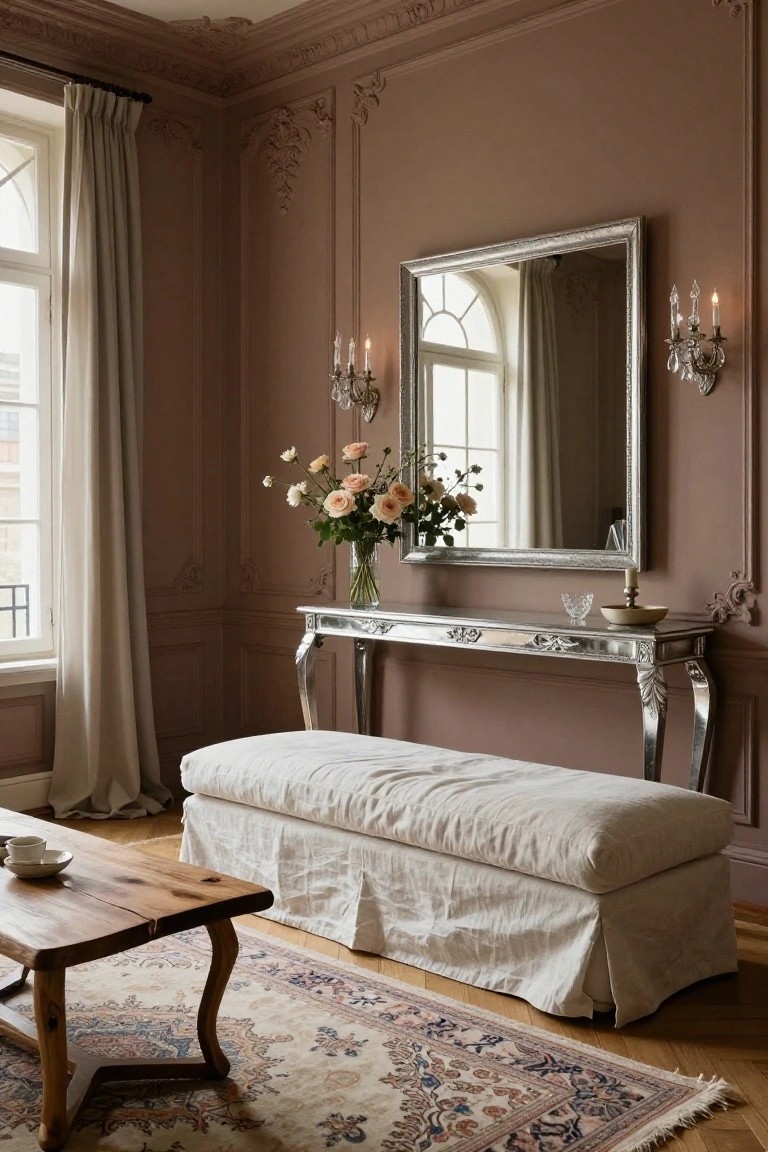
Ornate wall panelling painted in a soft blush tone gives a living room real depth without shouting. The detailed mouldings and cornices here catch the light just right, making the space feel taller and more put-together. Paired with that tall silver mirror, it turns a simple corner into something special.
This works best in older homes or apartments with high ceilings, where you can highlight existing trim or add some new. Keep furnishings light, like the linen bench and wood table, so the walls stay the focus. Skip it in super modern spots, though. It needs a bit of classic vibe to shine.
Black Geometric Wall Panelling
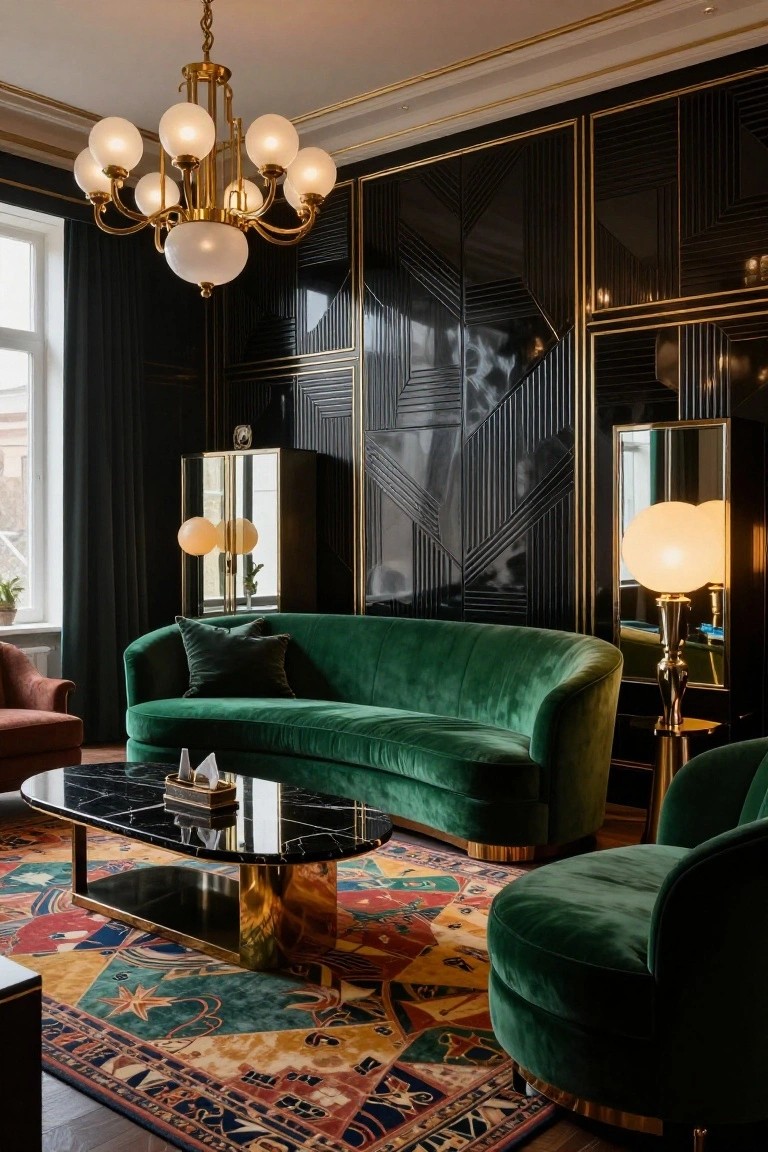
Black geometric wall panelling like this turns a plain room into something with real presence. The glossy black surfaces and sharp gold-edged lines catch the light just right. They make the space feel taller and more structured without overwhelming it. Paired here with a green velvet sofa, it keeps things lively instead of stark.
You can pull this off in a formal living room or study where you want some drama. It works best in homes with good natural light from tall windows. Stick to matte furniture and rugs with pattern to balance the shine. Just measure twice before committing, since custom panelling isn’t cheap to fix.
Simple Shiplap Wall Panelling
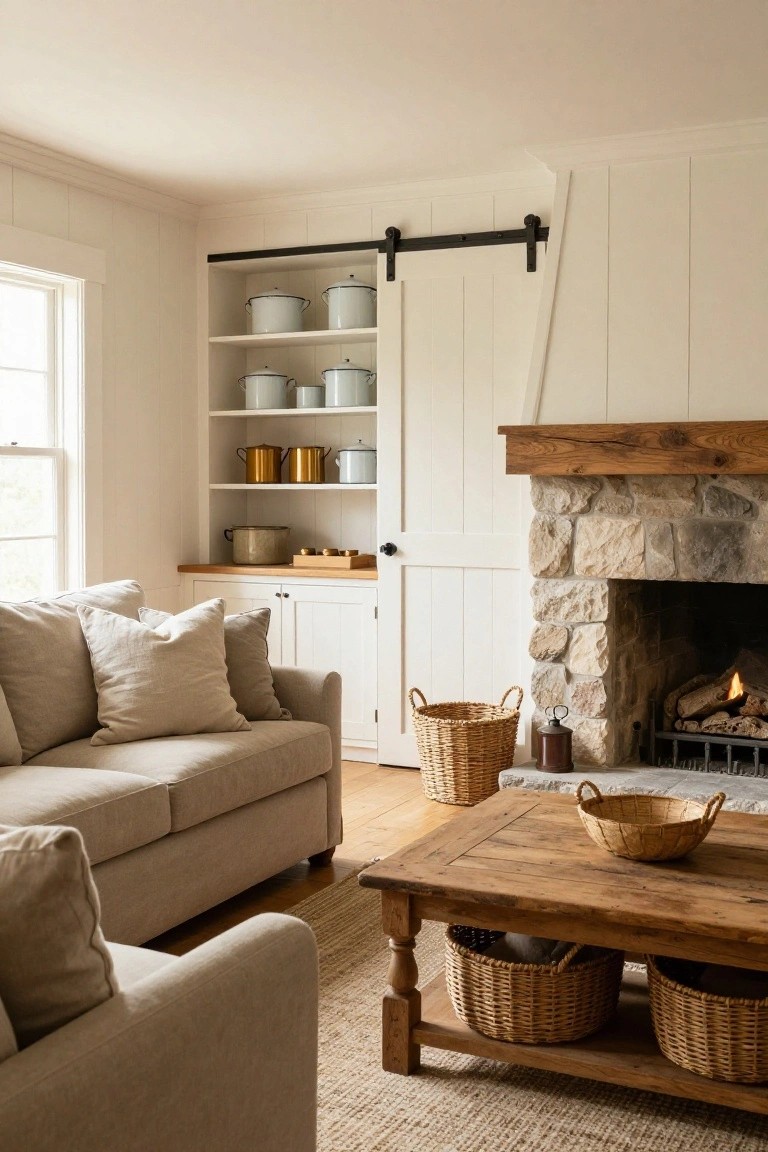
White shiplap panelling like this covers the walls in a clean vertical pattern. It gives the room a bit more texture without overwhelming the space. Paired with a stone fireplace and wood shelves, it keeps things feeling open yet layered. That’s what makes it a good pick for living rooms.
You can add it to any wall facing a seating area or around a fireplace. It works best in homes with neutral colors and wood accents, like farmhouses or coastal spots. Just keep the boards slim so the room stays light… and avoid painting them bold colors if you want that calm look.
Warm Textured Plaster Walls
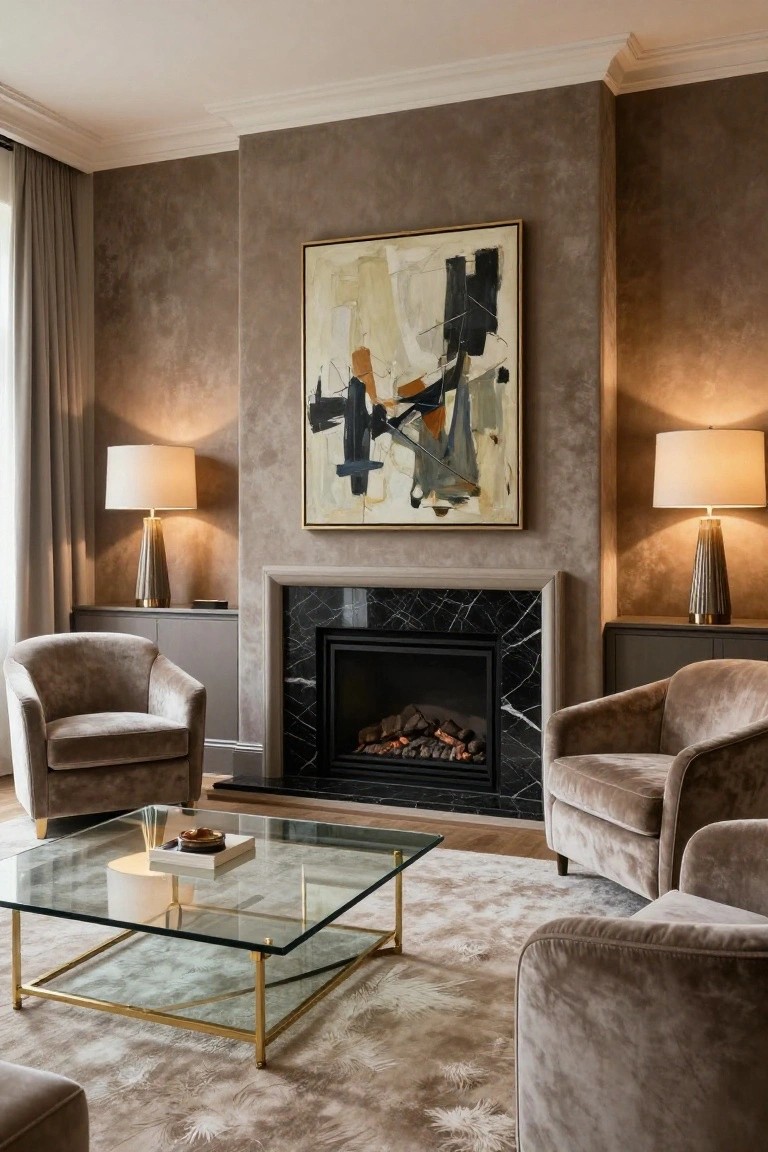
Textured plaster walls in a soft taupe shade give this living room a cozy, layered feel without overwhelming the space. They catch the light from the lamps just right, making the room look deeper and more inviting. Paired with a black marble fireplace and a big abstract painting above it, the texture keeps things from feeling too stark.
You can pull this off in a formal sitting area or family room that gets good natural light. Go for a neutral base like this taupe, then add velvet chairs or a glass table for contrast. Just keep the texture subtle so it doesn’t compete with your furniture… works best in homes with classic bones.
Textured Plaster Walls
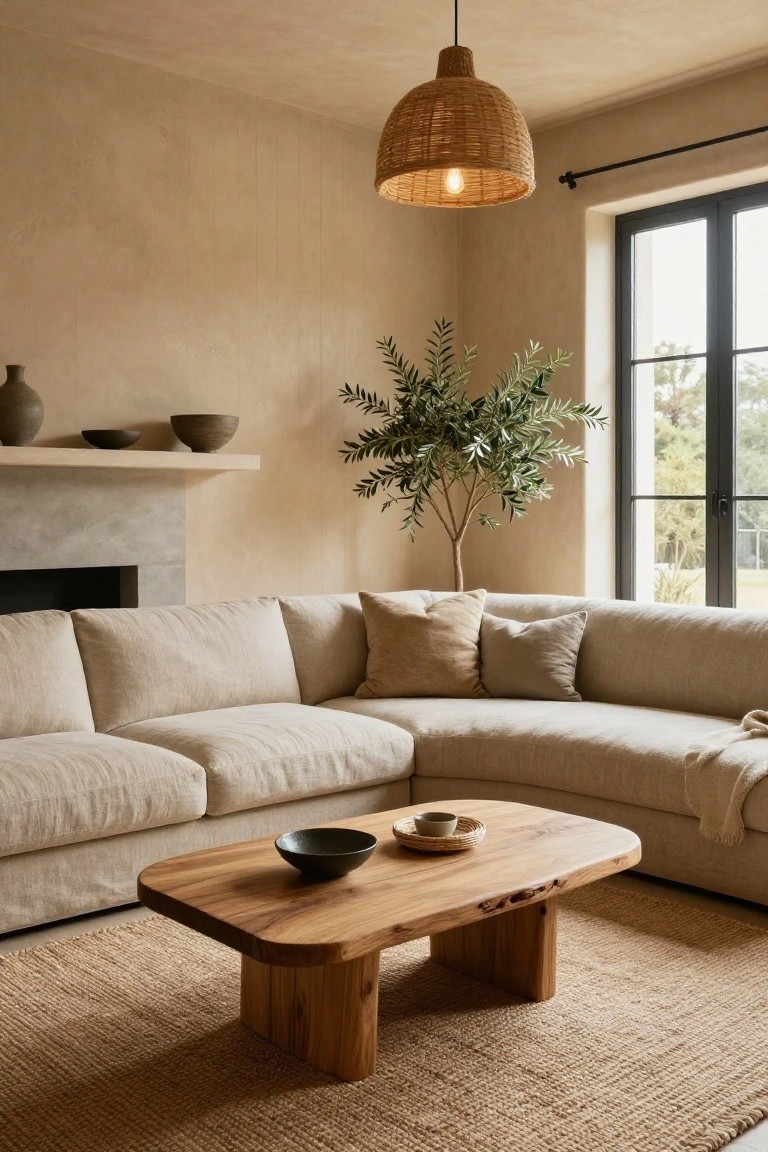
A soft beige plaster covers the walls here, creating gentle waves and shadows that build depth into the room. It’s not bold or patterned, just enough texture to make the space feel alive and layered. Paired with simple pieces like a linen sofa and wooden coffee table, it keeps things calm and grounded.
This finish suits relaxed living rooms in modern or coastal homes. Apply it to all walls for flow, or just an accent one near the fireplace. Go for a matte look to avoid glare, and test samples in your light first since it changes with the day.
Metal Wall Panels for Industrial Depth
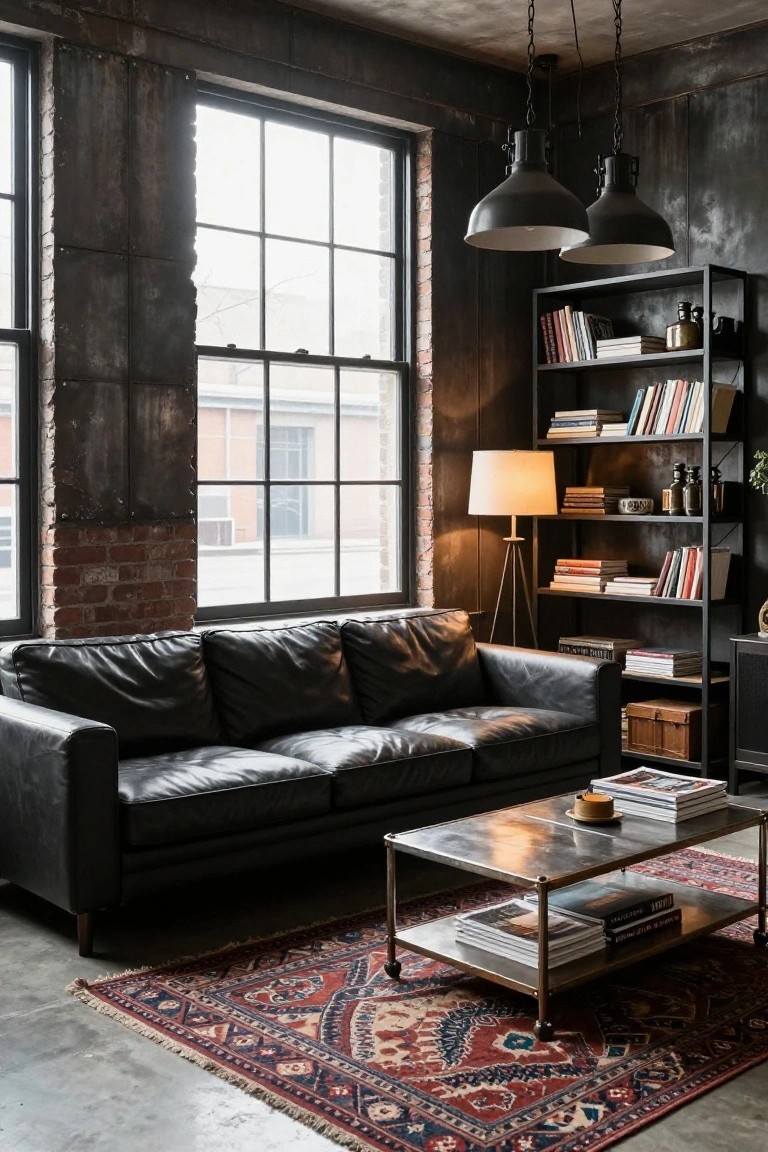
Metal wall panels like these give a living room real texture without much fuss. They mimic old factory walls, with that dark, slightly rusted look that catches the light just right. Paired with a simple black leather sofa and open metal shelves full of books, the space feels lived-in but upscale. It’s a way to add layers to plain walls, making the room pull you in naturally.
This works best in lofts or urban homes with high ceilings and big windows. Use galvanized or corten-style panels on one or two walls to avoid overwhelming the place. Stick to matte finishes so they don’t glare, and balance with softer rugs or wood accents. Watch the scale though, smaller rooms might feel too heavy.
Sage Green Panelling with Built-In Shelves

Wall panelling painted in a soft sage green gives this living room a cozy, layered feel. The built-in shelves and picture ledges along one wall hold books, vases, and framed plant prints without crowding the space. It makes the room look more put-together, especially next to the simple cream sofa.
You can pull this off in older homes or spaces with high ceilings. Pick a muted green like this to keep things calm, and fill the shelves lightly so they don’t overwhelm. Just make sure your lighting is warm… it helps the color read right.
Panelling on Deep Green Walls
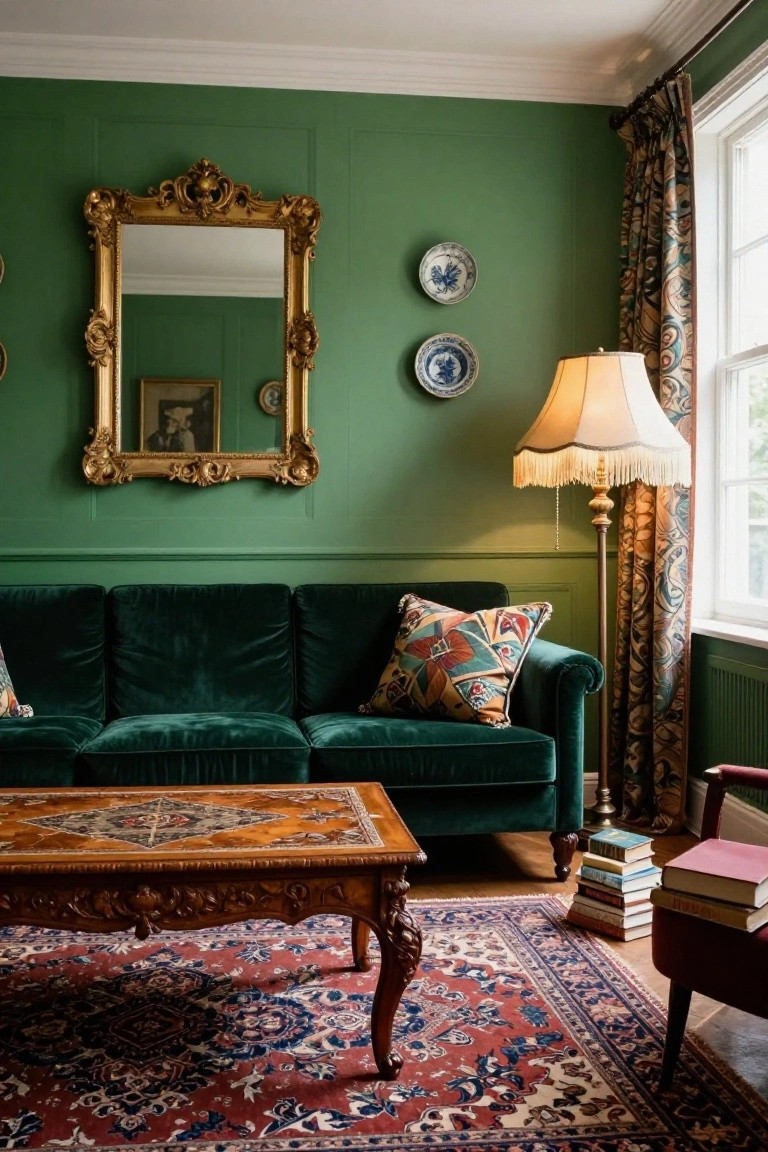
Panelling shows up nicely on deep green walls like these. It adds subtle lines and shadows that make the color feel less flat. The simple raised panels here keep things classic without stealing focus from the room’s cozy setup.
This works well in formal living rooms or studies where you want some structure. Go for a mid-tone green to let the panelling stand out, and add gold accents nearby for polish. Skip it in super modern spots… it leans more traditional.
Vertical Wood Slat Wall Paneling
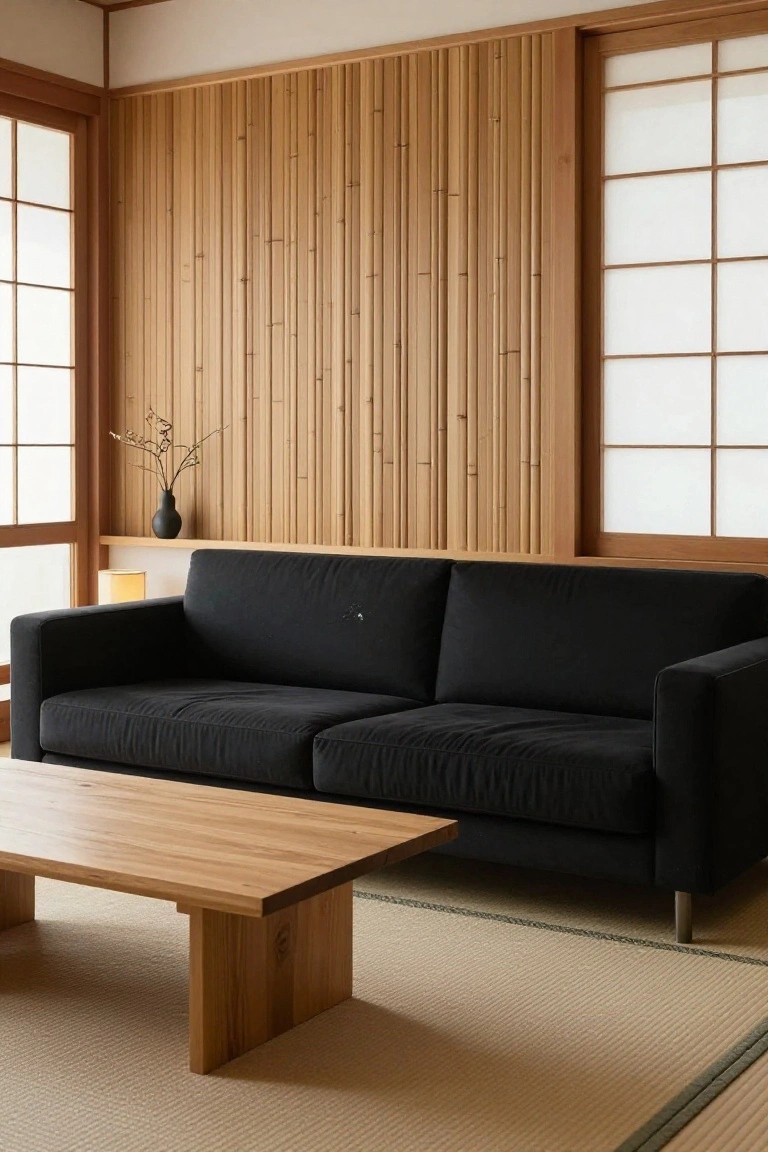
Vertical wood slats running up the walls give this living room a quiet texture that feels natural and steady. The cedar-like strips add just enough pattern to catch the eye without busyness. They pair nicely with the black sofa and low wood table here, warming up the space in a simple way.
This kind of paneling fits best in rooms with clean lines, like a modern take on Japanese style. Use it on one or two walls to avoid closing in the room. It suits homes with tatami floors or light rugs… keeps things grounded but open. Go for lighter woods if your light is low.
Arched Niches in Textured Plaster Walls

Arched niches set into textured plaster walls give a living room that built-in feel without needing fancy woodwork. The soft curves pull your eye around the space and make the walls look deeper, especially with sconces tucked inside casting a warm glow. It’s a simple way to add character that feels organic.
These work best in rooms with some natural light coming through nearby windows. Pair them with low furniture like a deep sofa to keep the focus on the walls. They suit older homes or ones aiming for a relaxed Southwest vibe, but scale them down if your space feels small already.
Marble Wall Paneling Behind the TV

A full slab of white marble with soft veining covers the wall here, right behind the TV and credenza. It gives the room instant depth and a touch of hotel-like polish. The natural lines in the stone pull your eye without overwhelming the setup.
Try this in a living room where you want subtle luxury. It pairs well with warm wood pieces and simple plants, like the big ficus nearby. Best for modern spaces with good natural light… keeps things calm but upscale. Skip it if your room’s too small, though.
Gray Shiplap Panelling on Living Room Walls
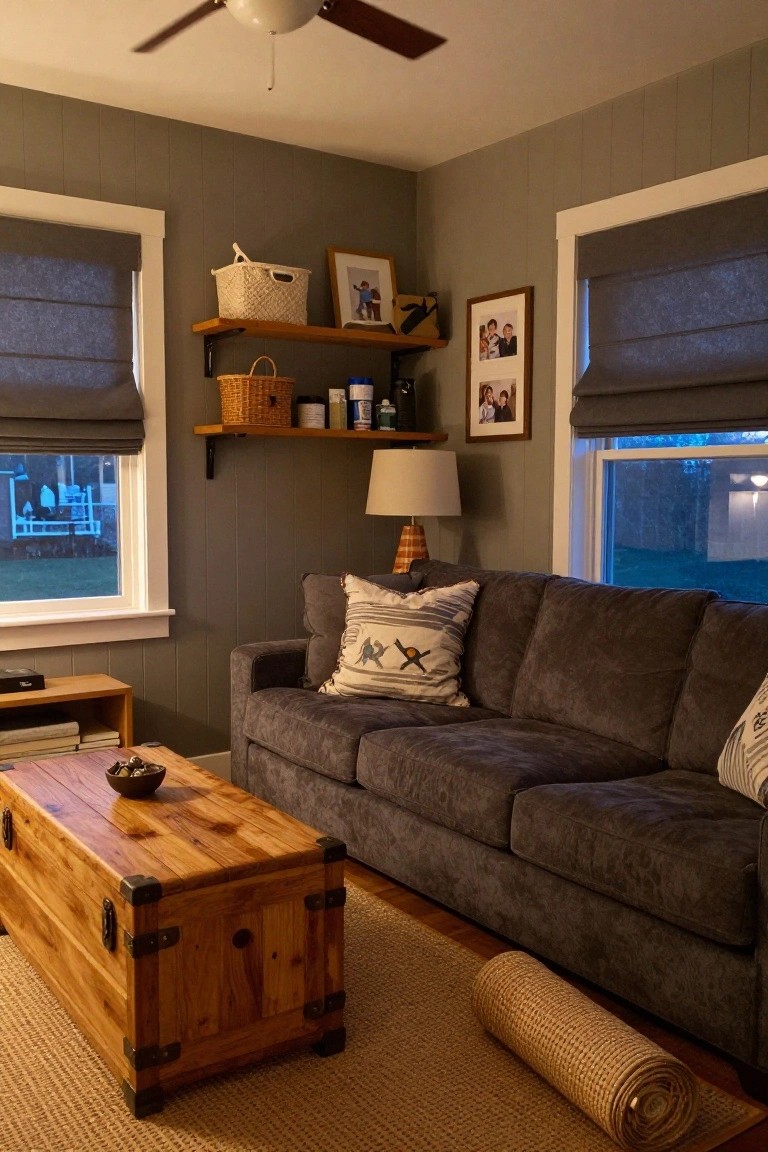
Gray shiplap panelling covers the walls here and gives the room a quiet texture that fits right in. The vertical boards run floor to ceiling, making the space feel a little taller and more put-together without much fuss. It pairs nicely with the simple gray sofa and wood coffee table, keeping everything calm and easy on the eyes.
This kind of panelling works best in everyday living rooms where you want some wall interest but not a bold statement. Paint it a soft gray to match cooler tones in your furniture or rug. It suits older homes or cottages, but watch the scale, bigger boards can make small rooms feel boxy.
Dark Wood Paneling for Living Room Corners
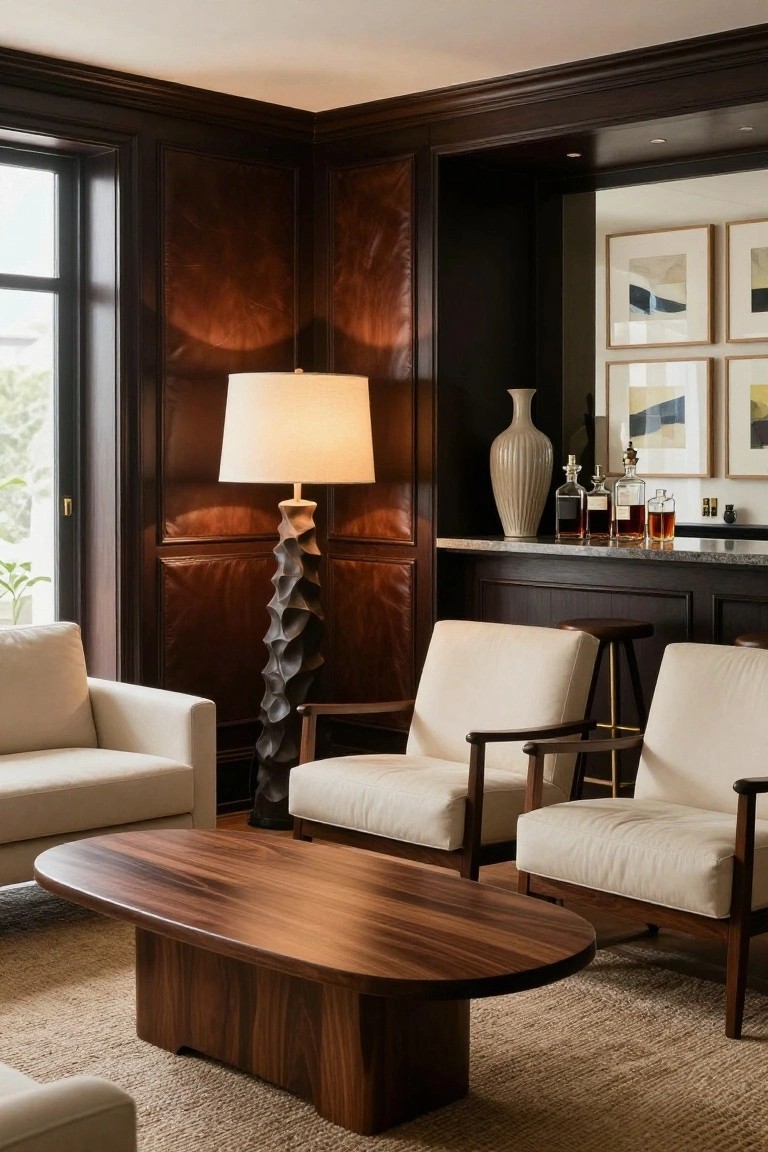
Dark wood paneling like this covers two walls meeting at a corner, turning a simple spot into something more enclosed and special. The rich tone and subtle grain give the room real depth without overwhelming it. Paired with a built-in bar niche, it sets up a natural place for drinks or quiet talks.
You can pull this off in a formal living room or den where you want a touch of old-school feel. Keep furniture light, like cream chairs around an oval wood table, so the walls don’t close in. Works best in rooms with good natural light from nearby windows… just avoid super small spaces.
Dark Wood Slat Paneling

Vertical slats of dark wood cover the walls here, creating lines that run up to the ceiling. That texture pulls your eye around the room and makes it feel taller and more layered, especially with the soft glow from the overhead strip lighting.
It fits right into a modern living room setup. Use it behind a low sofa like the black velvet one shown, and add a big round mirror to open things up a bit. Best in spaces with good window light… just avoid super small rooms where it might close in too much.
Blush Pink Wall Panelling
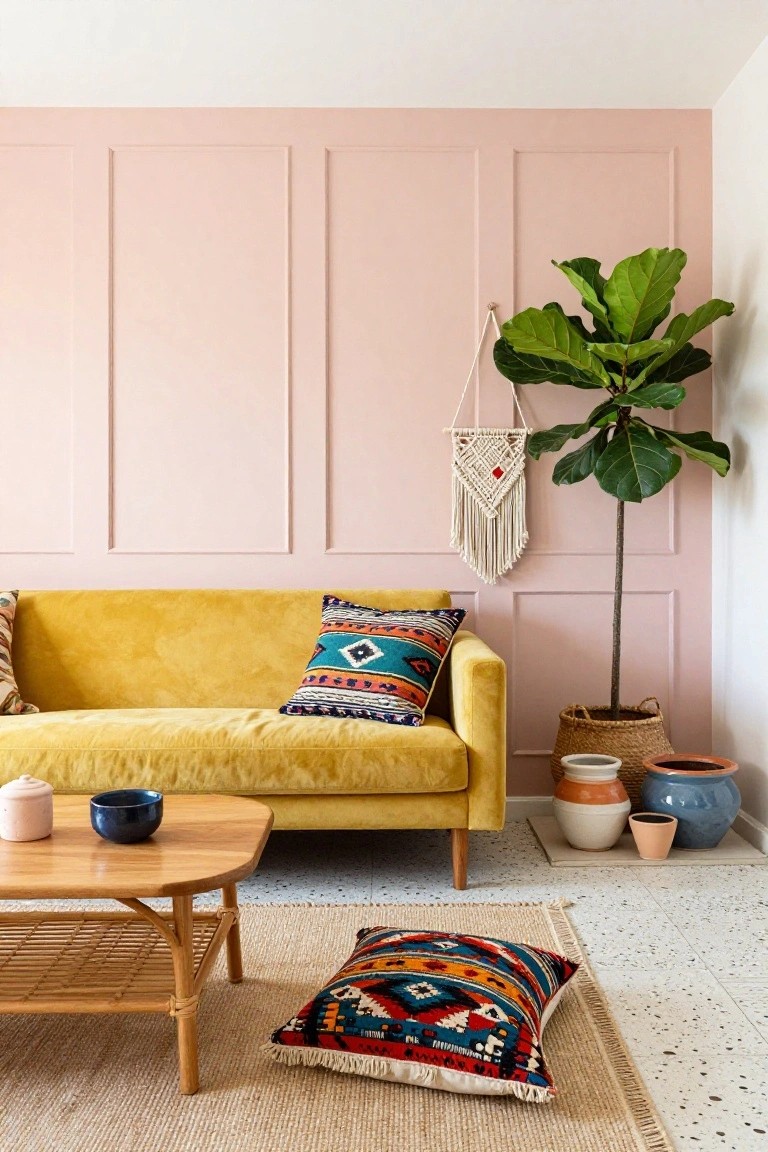
Wall panelling painted in a soft blush pink gives this living room clean lines and a bit more interest on the walls. The simple panels run vertically, making the space feel taller and more put-together, especially against white trim. It’s a quiet way to add some personality without going overboard.
This look fits best in casual family rooms or apartments that could use a gentle pop of color. Go for matte paint to keep it relaxed, and balance it with wooden furniture and a few houseplants. Just skip glossy finishes if you want to avoid extra glare.
White Shiplap Panelling
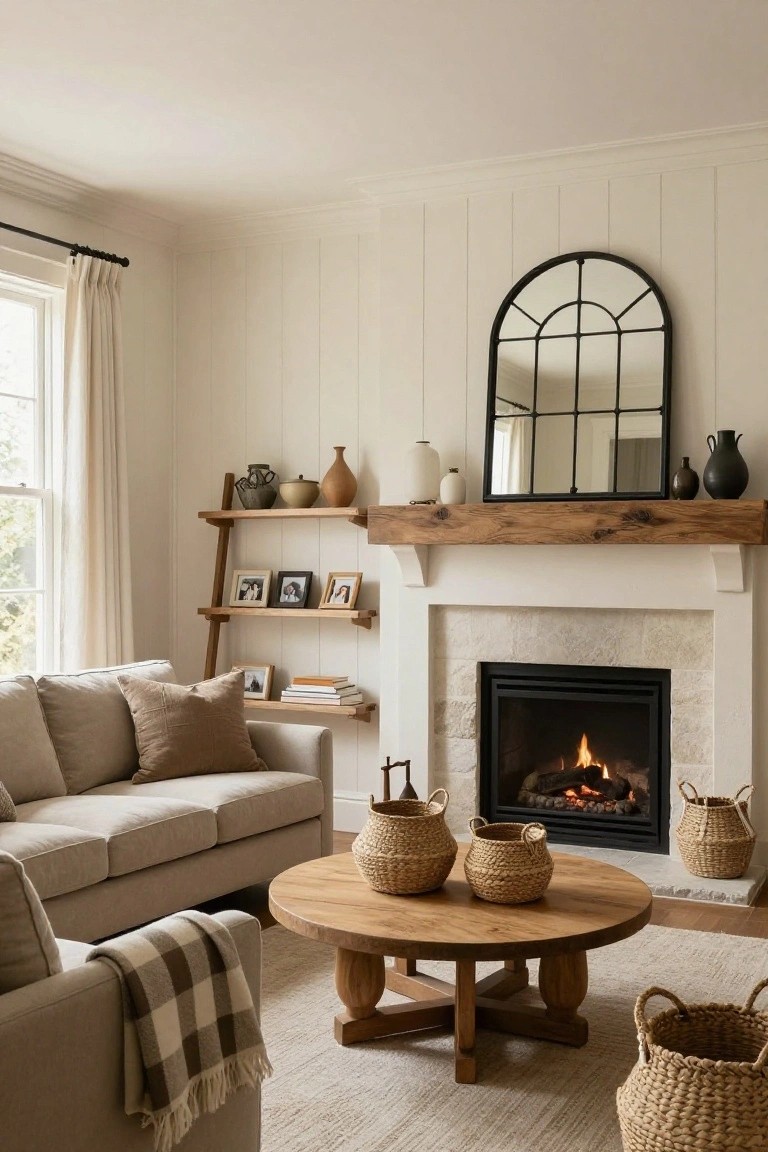
White shiplap panelling covers the walls in this living room, giving everything a gentle texture that makes the space feel more layered and lived-in. It keeps things light and airy while framing the wood mantel and stone fireplace nicely. That simple vertical board look adds just enough interest without busyness.
You can add it to any living room wall, especially around a fireplace or window area. It suits cozy homes with neutral furniture, like a beige sofa and wood table here. Go for a clean white finish on smooth boards, and pair it with natural wood accents for balance. Skip it in super modern spots, though. It shines in family rooms where you want warmth that lasts.
Frequently Asked Questions
Q: Can panelling work in a small living room without closing it in?
A: Pick slim panels or vertical lines to draw the eye up and add height. Layer in soft lighting to highlight texture instead of bulk. You end up with more depth than you started with.
Q: How do I pick wood tones that match my existing furniture?
A: Hold fabric swatches or wood samples next to your sofa and rug under your room’s usual light. Go a shade warmer or cooler than your pieces to create gentle contrast. Test it for a day before committing.
Q: What’s an easy way to try panelling on a budget?
A: Grab peel-and-stick panels from a big box store and apply them to one accent wall first. They mimic real wood without the demo work. Peel off if you change your mind later.
Q: How do I clean dusty wood panelling fast?
A: Dust weekly with a soft microfiber cloth, then spot clean with mild soap and water on a wrung-out sponge. Dry right away to avoid water marks. And skip harsh chemicals, they dull the finish quick.
